


Your company has a founder brand whether you Manage it or not
A founder’s personal brand is the accumulated meaning attached to their name: what people believe they know about their judgment, expertise, values and behaviour. When that person leads a company, those associations rarely remain personal. They influence how investors read an announcement, how candidates assess the culture and how clients interpret the business behind the offer.
This happens whether the founder has a communications strategy or not. Avoiding visibility does not create a neutral space. It simply leaves customers, employees, journalists and search engines to construct the story from whatever is available.
The founder is already part of the evidence
People use human signals to make sense of organisations. A founder gives a company an origin, a point of view and, at times, a reason to believe. Research found that the motives expressed in a founder story can shape perceived brand authenticity. Stories centred on values beyond the founder’s own advancement produced stronger authenticity judgments than stories centred on self-enhancement. The mechanism was not fame. It was whether the founder’s motives felt coherent and credible.
That distinction matters. A polished biography cannot compensate for a story that does not explain why the business exists. Nor can frequent content create authority when a founder has not decided what they are qualified to say.
A useful founder narrative answers four questions. What did this person see that others overlooked? Why were they equipped to act on it? What choices have they made because of that conviction? What should the market now associate with their name?
Steve Jobs made product judgment part of the Apple brand
Steve Jobs did more than appear at product launches. His public style reinforced a clear belief about technology: complex engineering should result in products that felt simple, intuitive and desirable. Harvard Business School’s reflection on his legacy argues that Jobs knew how to create culture and helped consumers invest Apple products with human meaning.
The black turtleneck, the stagecraft and the product reveals became memorable, but they worked because they expressed a deeper operating philosophy. Apple’s design standards, retail environments, packaging and language told the same story. Jobs’s visibility amplified a system that already existed inside the company.
The lesson is easy to misread. Copying the visible codes of a famous founder will not reproduce the effect. The strategic asset was the connection between the founder’s judgment and the company’s repeated decisions. Personal branding worked because product, behaviour and narrative agreed.
Apple also illustrates the long-term challenge. A company that derives meaning from a founder must eventually translate personal philosophy into institutional culture. If the brand cannot explain what survives after the founder leaves, admiration becomes dependency.
Huda Kattan built the audience before the product range
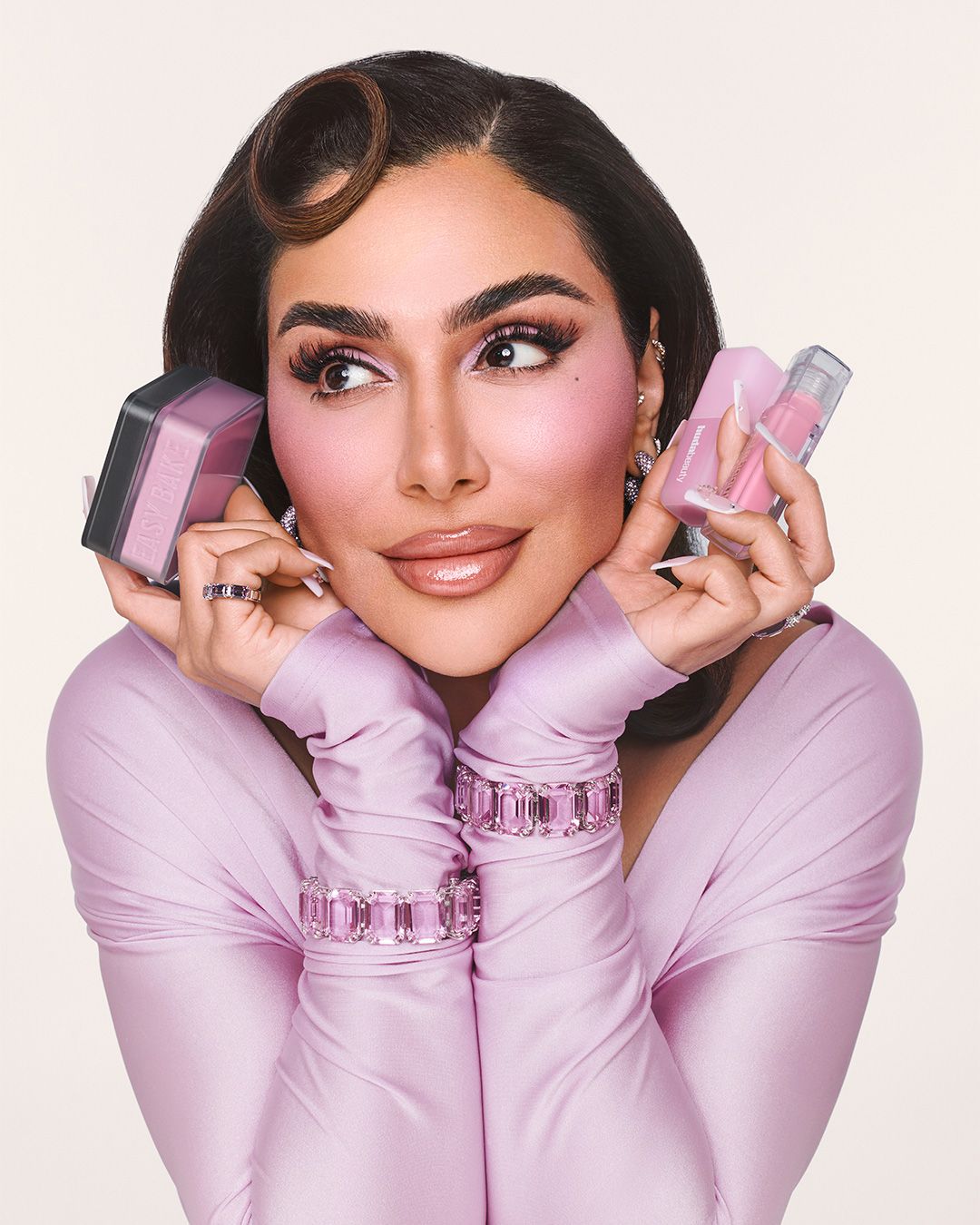 Huda Kattan represents a different founder model. She developed authority as a makeup artist, blogger and beauty educator before Huda Beauty became a global product business. The company’s own history still describes her as its founder, while its customer ecosystem includes a loyalty community and ambassador programme.
Her visibility was useful because it was grounded in category participation. She demonstrated techniques, discussed products and listened to the frustrations of beauty consumers. In an interview about the company’s growth, Kattan described an audience that told her what it wanted, giving the eventual brand a source of demand as well as distribution.
This is founder branding as expertise and proximity. The founder is credible because she understands the product and speaks the language of the customer. The risk is equally clear. When the founder’s name, face and opinions are central to the commercial identity, every personal intervention can affect the company. The closer the bond, the less room there is for audiences to separate the two.
Beyonce gives Cecred a cultural origin but the product must carry the business
 Celebrity founders begin with recognition, but recognition is not the same as category authority. Cecred addresses that gap through a detailed origin story. The brand links Beyonce Knowles-Carter’s experience of hair as a performer to her mother’s salon, family rituals and the cultural significance of hair across textures. Its official story also emphasises product performance and development rather than relying solely on her image.
The distinction matters. A celebrity endorsement asks the audience to transfer affection or aspiration to a product. A founder story makes a stronger claim: this person has a credible reason to create the company. Cecred therefore has to demonstrate that Beyonce’s connection to the category informed the business, while allowing technical experts, stylists and product results to build authority that can stand independently.
The most effective use of fame may be restraint. If every communication depends on the founder’s celebrity, customers remain an audience of the person. If the brand develops its own expertise and customer relationships, the founder becomes the origin of the story rather than its only proof.
Founder brand and company brand need defined roles
A founder and a company should reinforce one another without becoming identical. The company needs a clear promise, competitive position and body of evidence. The founder needs a credible field of authority and a reason to speak. The overlap should be deliberate.
Map this across four areas.
- Shared territory. The subjects on which the founder’s point of view directly strengthens the company’s positioning.
- Founder territory. Personal experience, leadership beliefs or wider expertise that builds the individual’s authority without becoming an official company position.
- Company territory. Product, operations and institutional communications that should be carried by the wider team.
- Protected territory. Private matters or unrelated opinions that add exposure without advancing a legitimate business objective.
Without these boundaries, founders often fall into one of two traps. They disappear behind corporate language and remove the business’s most credible human voice. Or they become so dominant that the company cannot communicate, recruit or recover without them.
Personal branding is a form of leadership design
The right question is not how visible a founder should be. It is what the business needs the founder to make clearer.
For one company, that may be technical credibility. For another, it may be the origin of a luxury proposition, a point of view on an industry or reassurance during a period of change. The appropriate channels follow from that decision. A founder may need an occasional authored article, selected interviews and a strong profile rather than a daily posting schedule.
A managed founder brand gives the market a reliable way to understand the person behind the company. It also protects the company by deciding where that person should lead, where other voices should emerge and which associations the business should be able to carry on its own.
Visibility can create attention. Alignment creates reputation.
Images : Huda Beauty – Ube collection – all rights reserved Huda Beauty / Beyoncé Knowles Carter – Cécred – 2024 – all rights reserved


Leave a comment: