


Borrowed reputation and the choice of brand ambassador
A brand ambassador lends more than an audience. They bring the meanings already attached to their name: taste, expertise, humour, status, values, controversy and history. Once the partnership becomes visible, some of those associations move towards the brand.
This is why ambassador selection belongs inside brand strategy rather than at the end of a media plan. You can buy reach for a campaign. Reputational fit determines what remains after the attention disappears.
Start by defining the relationship
Brands often use founder, ambassador, partner and spokesperson as if they were interchangeable. They create different expectations.
An endorser recommends or appears with a product. An ambassador represents the brand over time and is expected to embody part of its identity. A collaborator contributes to a defined creative or commercial project. A founder claims a deeper relationship between their experience, capital or vision and the company itself.
Beyonce and Cecred make the distinction clear. She is not an external celebrity hired to make an unfamiliar haircare brand visible. Cecred presents her as its founder and connects the company’s origin to her family history, professional experience with hair and long product-development process.
That relationship creates more authority than a conventional campaign, but it also creates more responsibility. Customers will assess whether the product, experts and company decisions justify the founder story.
George Clooney and Nespresso show the value of consistent meaning
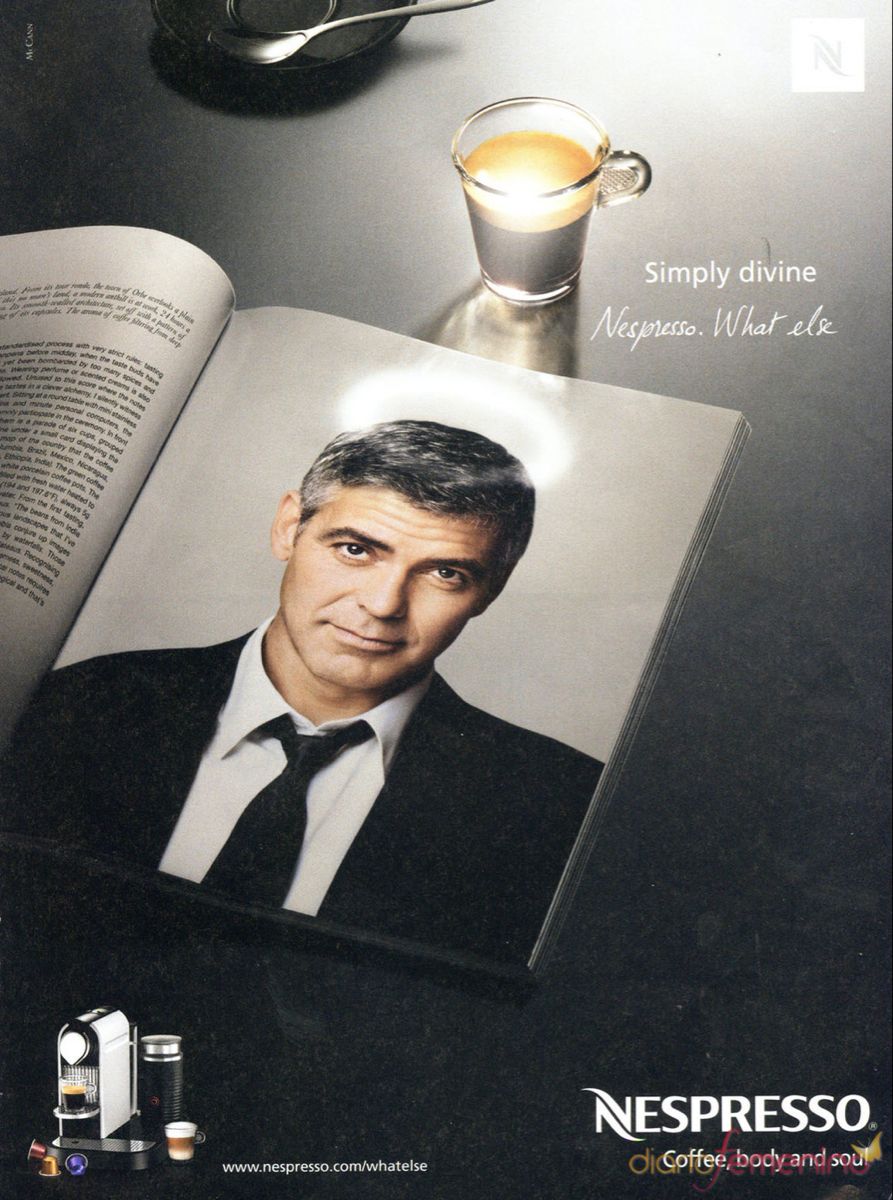 George Clooney’s long association with Nespresso is a classic ambassador relationship. Nespresso introduced him as its United States brand ambassador in 2015 after an established partnership in Europe and other markets.
The strategic value was not reach alone. Clooney carried a useful combination of sophistication, international recognition, confidence and dry humour. Those qualities supported Nespresso’s attempt to make portioned coffee feel like an accessible luxury ritual rather than a kitchen appliance purchase.
Longevity strengthened the association. Repeated exposure allowed the ambassador to become part of the brand’s memory. The partnership developed familiar codes rather than starting from zero each season.
Consistency, however, does not remove scrutiny. A long-term ambassador may be asked to answer for issues connected to the company, just as the company may be affected by issues connected to the ambassador. Borrowed reputation moves in both directions.
Zendaya and Louis Vuitton illustrate cultural and product fit
 When Louis Vuitton announced Zendaya as a house ambassador in 2023, the first campaign centred on the Capucines bag.
The choice linked an established luxury house with a performer who had already developed strong fashion credibility through editorial work and red-carpet dressing. She brought global recognition, but the relationship also made sense within the category. The audience didn’t have to be persuaded that Zendaya took fashion seriously.
This is product and cultural fit working together. A credible ambassador can help a heritage company enter a contemporary conversation without asking it to abandon its codes. A poor choice may generate greater immediate noise but force the campaign to explain why the relationship exists.
Research supports fit but fit has several dimensions
Academic work on endorsements has repeatedly examined congruence between the celebrity, the brand and the consumer. Research in the International Journal of Advertising developed an integrated model of congruence and credibility, reflecting the fact that familiarity or attractiveness alone does not explain endorsement effectiveness.
Brands should assess at least four kinds of fit.
- Product fit. Does the person have a believable relationship with the category or use occasion?
- Audience fit. Do they matter to the people the company needs to influence, in the relevant markets?
- Positioning fit. Do the associations around the person reinforce the perception the brand wants to build?
- Behavioural fit. Does their conduct make the partnership credible over time?
The dimensions can conflict. A celebrity may reach the right demographic while weakening the desired premium perception. An expert may be credible but lack cultural relevance. A fashionable figure may suit the campaign visuals while having little connection to the product.
The decision should reflect the job the ambassador is being hired to perform.
Fame can overwhelm the brand
Some personalities arrive with a narrative more powerful than the company’s own. The campaign is noticed, but people remember the celebrity and forget the proposition. This is especially likely when the partnership has weak category logic or when the brand changes ambassadors frequently.
There is also overexposure. A person who represents many unrelated companies may still offer reach, yet their meaning becomes less distinctive. The question is not whether audiences recognise them. It is whether this partnership adds an association the brand can own.
Exclusivity clauses address commercial conflict, but they cannot manufacture authenticity. That comes from a credible reason for the person and the brand to appear together.
Reputation risk must be evaluated before the contract
Scandal risk is usually discussed as a morality clause after the ambassador has been selected. It should be part of selection itself.
Research has documented spillover from negative information about a spokesperson or partner to the associated brand. A review of influencer scandals also emphasises that companies need a prepared response based on the nature of the event and the strength of the association.
Due diligence should therefore examine public behaviour, previous partnerships, legal disputes, political exposure, market-specific sensitivities and the person’s ability to respond under pressure. The brand should also decide in advance which events would require clarification, suspension or termination.
No process eliminates risk. The objective is to understand which risks are being accepted in exchange for which strategic value.
The best ambassador may already be inside the business
Celebrity is only one source of influence. A founder can embody conviction. A technical leader can provide expertise. An employee can reveal culture. A client can provide credible proof. A community member can show how the brand participates in real life.
The right choice depends on the gap in the brand’s existing reputation. If awareness is high but trust is weak, greater fame may add little. If the product is technically complex, an expert may be more persuasive than a cultural figure. If the brand lacks humanity, the founder or customer may provide the missing connection.
A practical ambassador decision matrix
Before signing a partnership, score the candidate against seven questions.
1. What do people already associate with this person?
2. Which of those associations should transfer to the brand?
3. Why is the relationship credible within the product category?
4. Do they influence the audience and markets that matter commercially?
5. Can the relationship produce a narrative beyond a single image?
6. What reputational exposure does each party introduce?
7. Will the association remain useful after the first wave of attention?
The final decision should be explainable without reference to follower count. If the only convincing answer is reach, the company is buying distribution rather than choosing an ambassador.
Images : George Clooney for Nespresso – all rights reserved / Zendaya for Louis Vuitton – all rights reserved


Leave a comment: