


From audience to affinity how brands build communities around shared values
Most brands have audiences. Far fewer have communities.
An audience may follow, watch and buy. A community develops relationships, shared codes and a sense that membership says something about the people involved. The difference cannot be measured by follower count alone.
Founders and ambassadors can help create that sense of belonging because they give values a human form. They can also prevent it. If every interaction points back to the personality at the centre, the group remains a fan base. A durable brand community eventually connects members to the brand and to one another.
Community has a stricter definition than engagement
The foundational research by Albert Muniz and Thomas O’Guinn describes brand communities as specialised, non-geographically bound communities based on social relationships among admirers of a brand. Their study identified three markers: shared consciousness, rituals and traditions, and a sense of moral responsibility.
These markers provide a useful test.
Shared consciousness means members recognise a form of connection or common identity. Rituals and traditions preserve meaning through repeated behaviour, stories and language. Moral responsibility appears when members help one another, welcome newcomers or feel some duty towards the group.
Likes, mailing-list subscriptions and loyalty points may support these behaviours, but they do not create them automatically. A community exists when the relationship has social meaning beyond an individual transaction.
Huda Beauty began with participation before scale
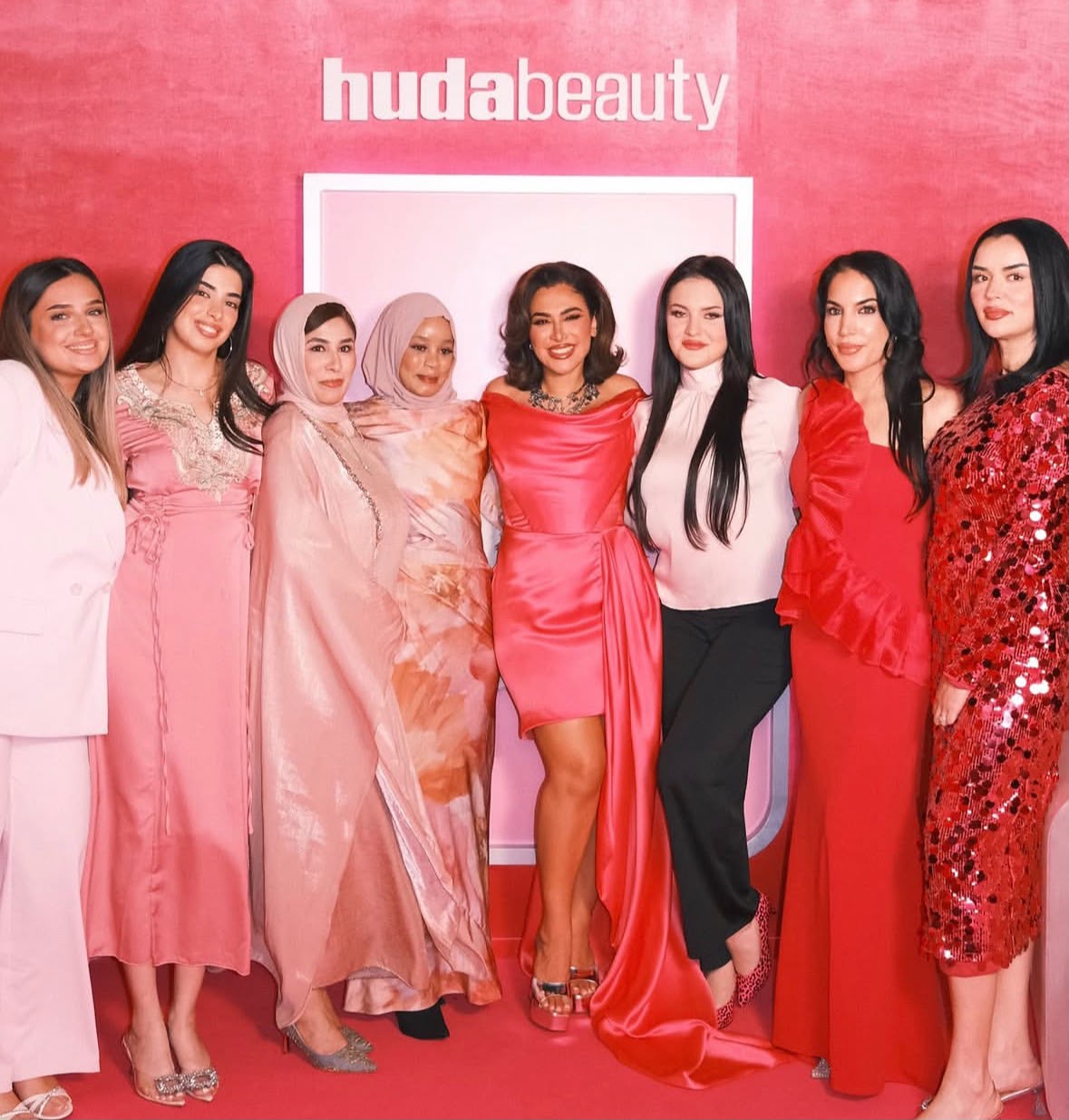 Huda Kattan built an audience through beauty content before launching Huda Beauty products. Her authority grew through tutorials, reviews and dialogue around problems customers already experienced. She did not have to invent an abstract community proposition after the company launched; the business emerged from an existing pattern of exchange.
Huda Beauty’s current ecosystem still uses community language through Huda’s VIPs and its ambassador programme. The important strategic point is not the programme names. It is the continuity between founder, product expertise and customer participation.
This model gives the founder a central role. Huda is a visible expert, a familiar personality and a source of product meaning. It also creates exposure. If customers view the brand as an extension of the founder, her public positions and behaviour enter the commercial relationship. The community may be highly committed, but its reaction can also be highly personal.
Founder-led brands need to develop additional bonds: between customers and products, customers and experts, and customers themselves. That is what allows the community to deepen rather than remain dependent on access to one person.
Cecred has to convert a fan base into category belonging
Beyonce brings Cecred an enormous existing audience. The brand’s long-term opportunity is to create a community whose relationship is based on hair rather than celebrity alone.
Cecred’s origin story offers strong material: family salon experience, hair as professional practice, rituals across cultures, texture inclusivity and technical performance. These themes can invite customers to contribute their own knowledge and stories.
The distinction is crucial. Beyonce’s fans may create awareness and early demand. A haircare community forms when customers exchange routines, recognise shared experiences, learn from professionals and believe the brand understands a part of their identity. The founder opens the door; participation determines what develops inside.
This is also why product performance cannot be separated from community strategy. Shared values may attract attention, but repeated product experience decides whether customers remain and recommend.
Glossier turned conversation into product development
 Glossier offers one of the best-known community-led beauty cases. The company grew from Into The Gloss, Emily Weiss’s editorial platform about beauty routines and products. The audience’s questions, comments and preferences became part of the brand’s understanding of the market.
A Harvard Business School case describes Glossier’s strategy as born from content and fuelled by community. The model was powerful because communication did not only distribute finished decisions. It helped produce insight before and after products were developed.
Community language can easily become flattering rhetoric. Glossier’s example is useful because participation affected the business itself. Customers helped reveal unmet needs, provided language and acted as advocates. The relationship had operational consequences.
That is the standard brands should apply. If a company says its community matters, where can members see their influence?
Patagonia turned founder values into company structure
Shared values become credible when they govern difficult decisions. Patagonia has long associated itself with environmental responsibility, shaped in part by founder Yvon Chouinard. In 2022, the Chouinard family transferred ownership to the Patagonia Purpose Trust and the Holdfast Collective. Patagonia states that the trust holds all voting stock and exists to protect the company’s purpose, while the collective receives the economic value of the non-voting stock to support environmental work.
The ownership decision matters because it moved the founder’s stated values into governance. Customers did not have to rely solely on campaign language or Chouinard’s personal credibility. The company created a structure intended to carry the position beyond him.
This is a demanding example, not a template every brand can copy. Its lesson is broader: values become community assets when customers can observe the trade-offs they shape. A brand that speaks about sustainability while selecting contradictory partners asks its community to believe language over behaviour.
Shared values need definition
Many brand values are too broad to create affinity. Authenticity, empowerment, innovation and excellence can describe almost any company. They do not tell customers what the brand will choose when priorities conflict.
A useful value should have behavioural consequences. It should influence product standards, partners, customer experience, hiring, content and the opportunities the company declines. It also needs enough specificity for people to recognise themselves in it.
Current trust research suggests that values cannot be separated from personal relevance. The 2025 Edelman Brand Trust report found that people looked to brands for experiences that helped them feel confident, inspired, safe or calm, with 80 percent saying they trusted brands they use in the report’s 15-market average.
This does not mean brands should abandon broader principles. It means values need to enter the customer’s lived experience. Community grows when people can use, discuss and participate in what the brand believes.
Founders and ambassadors have different community roles
A founder can explain origin and make values credible through decisions. An ambassador brings external meaning and can invite new groups into the brand. Both can act as symbols, but neither should become the entire community.
The founder’s role is strongest when their conviction shaped the company. The ambassador’s role is strongest when their existing behaviour and audience align with a value the company already demonstrates. Using an ambassador to manufacture values that are absent from the business creates a fragile arrangement.
Brands should also prepare for separation. Founders step back. Ambassadors leave. Public sentiment changes. A mature community should retain its practices, language and relationships even when the person who helped attract it is less visible.
Build participation into the brand
Community becomes tangible through repeated opportunities to contribute. These may include education, member stories, events, product feedback, access to experts, useful rituals or spaces where customers help one another.
The format should follow the shared interest. A technical product may need peer learning and expert access. A beauty brand may grow through routines, transformation stories and professional education. A hospitality business may build belonging through recurring experiences and recognition.
The brand must leave room for members to shape the culture. Total control produces a campaign with participants, not a community. At the same time, values provide boundaries. The company remains responsible for the behaviour it rewards and the people it elevates.
The community test
Before calling an audience a community, ask five questions.
1. What do members believe they share?
2. Which rituals or behaviours make that connection visible?
3. How do members participate rather than only consume?
4. Where do the brand’s values affect real business decisions?
5. Would the relationships survive if the founder or ambassador became less visible?
If the answers depend entirely on content output, the brand has attention. If people recognise a shared identity, influence the experience and sustain relationships around it, the company may have something more valuable.
Images: @Hudabeauty Instagram account – all rights reserved / @Glossier Instagram account – all rights reserved


Leave a comment: